Enzyme supplier for fermentation media production
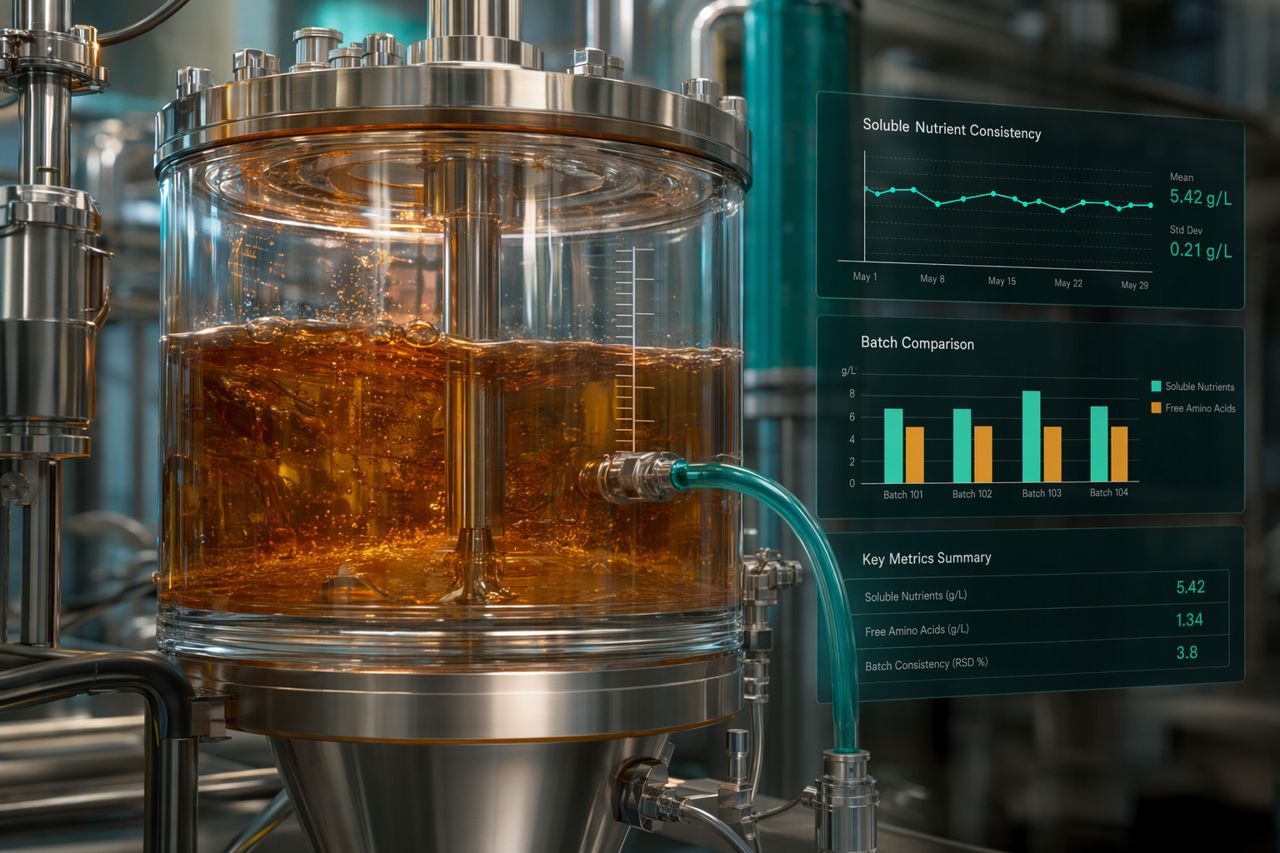
Fermentation media performance starts before the fermenter. If protein meals, cereal streams, starch-rich byproducts, or mixed agricultural substrates enter hydrolysis with variable composition, the resulting nutrient profile can shift batch to batch.
Enzymegen helps fermentation ingredient manufacturers convert those feedstocks into consistent, soluble hydrolysates for microbial media. We supply enzymes to manufacturers, ingredient distributors and biotech companies buying for production, selected for substrate fit, controlled hydrolysis, process compatibility, and commercial-scale repeatability. Supply is wholesale and quoted per order.
To get a quote, send three things: the enzyme or process step you need, the quantity per order or per month, and the delivery country.
Built for manufacturers making fermentation nutrients
Your customers care about growth profile, titer stability, lag time, foam behavior, filtration, and downstream consistency. Your production team cares about raw material flexibility, process time, viscosity, heat exposure, and batch documentation.
Enzymegen sits between those priorities. We help you design enzyme-supported hydrolysis steps that improve nutrient availability without making the process harder to run.
Where Enzymegen fits
- Protein hydrolysis for peptide-rich and amino-nitrogen-containing nutrient streams
- Starch and dextrin conversion for soluble carbohydrate availability
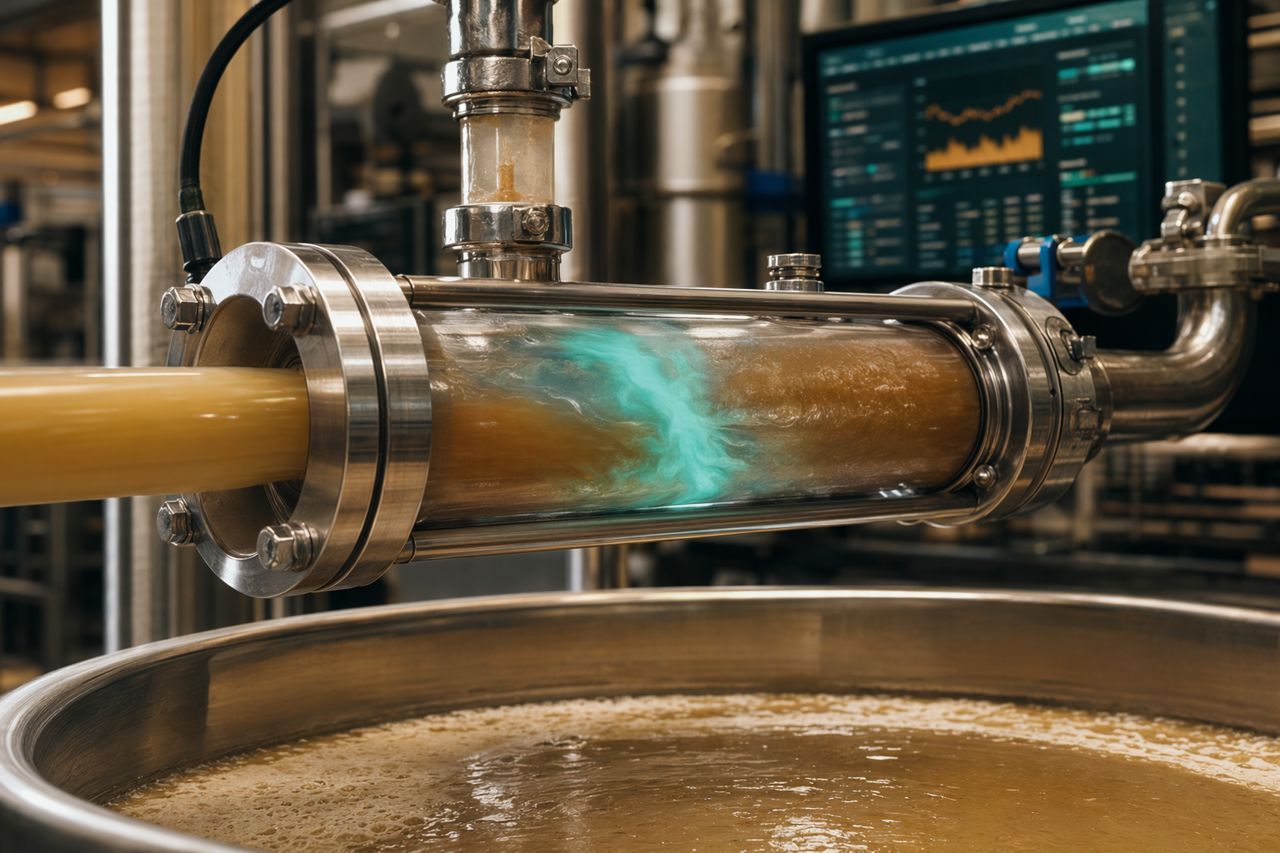
- Viscosity reduction to improve mixing, pumping, separation, and solids handling
- Substrate-specific enzyme selection for plant, grain, pulse, oilseed, and mixed feedstocks
- Process development support from bench screening through production scale
- Quote-based enzyme supply aligned with manufacturing volumes and batch cadence
Turn variable feedstocks into controlled hydrolysates
Fermentation ingredient plants often work with raw materials that change by season, supplier, particle size, protein structure, starch damage, or prior heat treatment. A standard hydrolysis recipe may not deliver the same soluble nutrient profile across those changes.
Enzymegen focuses on controlled conversion. We help define the enzyme type, addition point, process window, and stopping strategy needed to reach a practical nutrient target, not just a more aggressive breakdown.
Practical outcomes we support
- More consistent soluble nitrogen and peptide distribution
- Improved carbohydrate availability for media blending
- Lower process viscosity where substrate structure allows
- Better batch-to-batch comparability in hydrolysate specification
- More predictable microbial growth response in customer media trials
- Clearer scale-up decisions before committing production capacity
Enzyme categories matched to fermentation media goals
Proteases for nutrient hydrolysates
Protease selection affects peptide profile, solubility, bitterness risk, heat history sensitivity, and microbial growth response. Enzymegen helps match protease systems to the protein substrate and the intended media application.
Common use cases include soy, pea, wheat, corn, yeast-derived solids, oilseed meals, and other protein-rich streams used in fermentation nutrient manufacturing.
Amylases and carbohydrases for starch-rich streams
Starch-containing feedstocks often need controlled liquefaction or saccharide development before they can perform consistently in media systems. Enzymegen supports enzyme selection for starch-rich grain streams, cereal coproducts, and blended substrates where viscosity and soluble carbohydrate profile affect process handling and media performance.
Enzyme blends for complex raw materials
Many fermentation ingredient manufacturers do not work with purified substrates. They work with meals, flours, concentrates, extracts, and coproduct blends. Enzymegen can support enzyme systems that address protein, starch, fiber-associated viscosity, and release of soluble nutrients in the same process design.
Process guidance, not just enzyme supply
A good enzyme choice still needs the right manufacturing context. Enzymegen supports process development managers with commercially grounded guidance around:
- Substrate preparation and solids loading considerations
- Enzyme addition sequence and contact time planning
- pH and temperature compatibility ranges
- Hydrolysis endpoint definition based on product goals
- Heat treatment or inactivation strategy where needed
- Pilot-to-production scale transfer risks
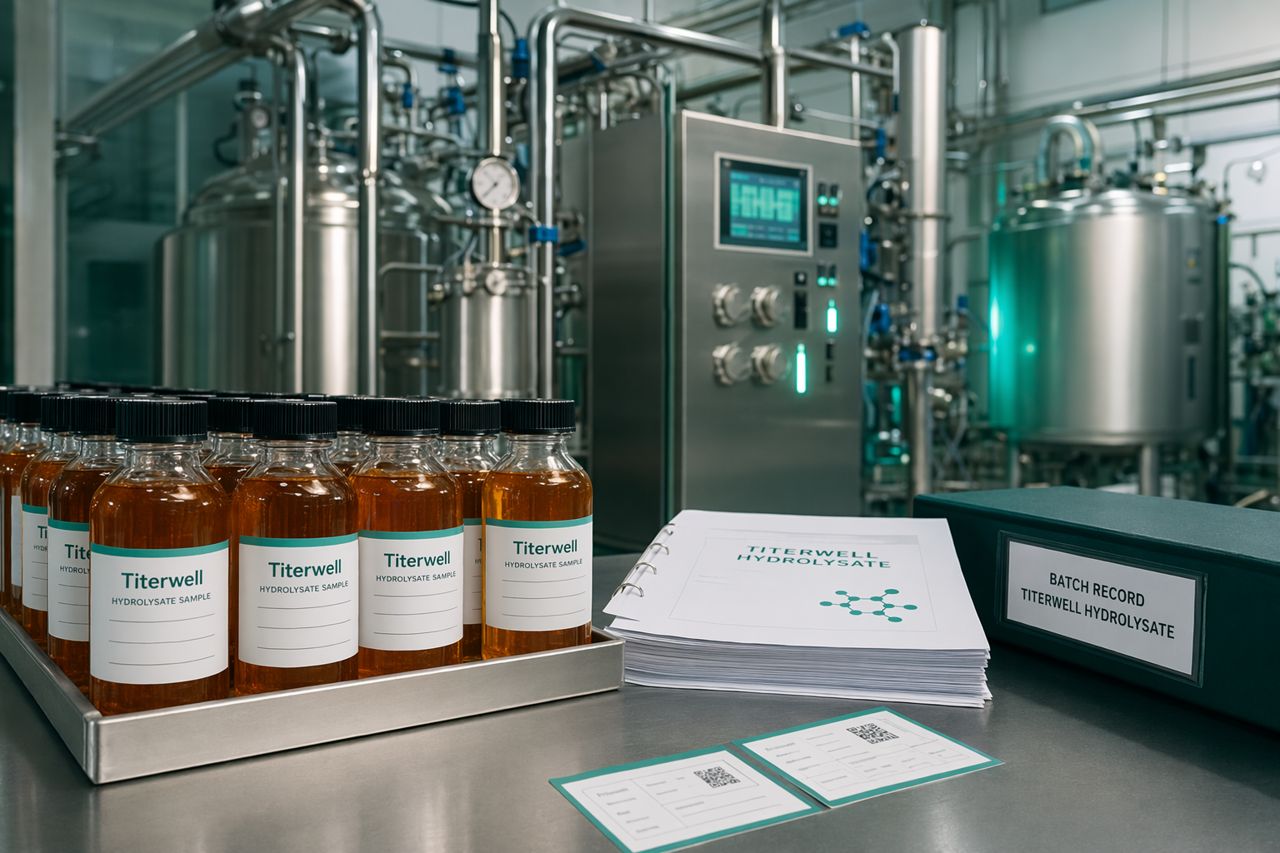
- Documentation for procurement, quality, and customer technical teams
We avoid overcomplicated recommendations. The objective is a hydrolysis step your plant can run repeatedly, document clearly, and defend with performance data.
Designed for scale-up decisions
Bench results are useful only if they translate into production equipment. Enzymegen helps evaluate enzyme performance against the realities of industrial hydrolysis: mixing limitations, heat-up and cool-down time, solids behavior, hold time, cleanability, and batch scheduling.
For new projects, we can help narrow enzyme candidates before pilot work. For established products, we can support reformulation, alternate raw material qualification, yield improvement, or supplier continuity planning.
Documentation for B2B procurement and quality review
Fermentation ingredient manufacturers need more than a product name. Enzymegen supports quote and qualification discussions with the documentation typically required for industrial purchasing and internal review.
Available documentation may include:
- Product specification summaries
- Recommended storage and handling information
- Allergen, origin, and compliance statements where applicable
- Safety documentation
- Lot and traceability information
- Application notes for process evaluation
If your quality or regulatory team has specific documentation requirements, include them in the quote request so we can respond with the right package.
What to send with a quote request
The fastest way to identify a suitable enzyme system is to describe the process target and substrate reality. When you contact Enzymegen, include as much of the following as possible:
- Feedstock type and typical composition range
- Desired hydrolysate function in fermentation media
- Current process temperature, pH, solids level, and hold time
- Target changes in solubility, viscosity, nutrient profile, or fermentation response
- Batch size or expected monthly enzyme demand
- Pilot timeline or production implementation date
- Documentation requirements for supplier approval
Request a quote
If you manufacture fermentation ingredients, resell media inputs, or run a biotech production line and need enzyme supply for media hydrolysate production, Enzymegen can help define the right enzyme approach and supply path. We work with business buyers only; pricing, pack sizes and delivery terms are quoted per order.
Use the on-site form below to request a quote. A technical contact will review your substrate, process conditions, target performance, and volume requirements before recommending next steps.