Clean Label, Animal-Free, and Allergen-Aware Requirements in Fermentation Media Ingredient Supply
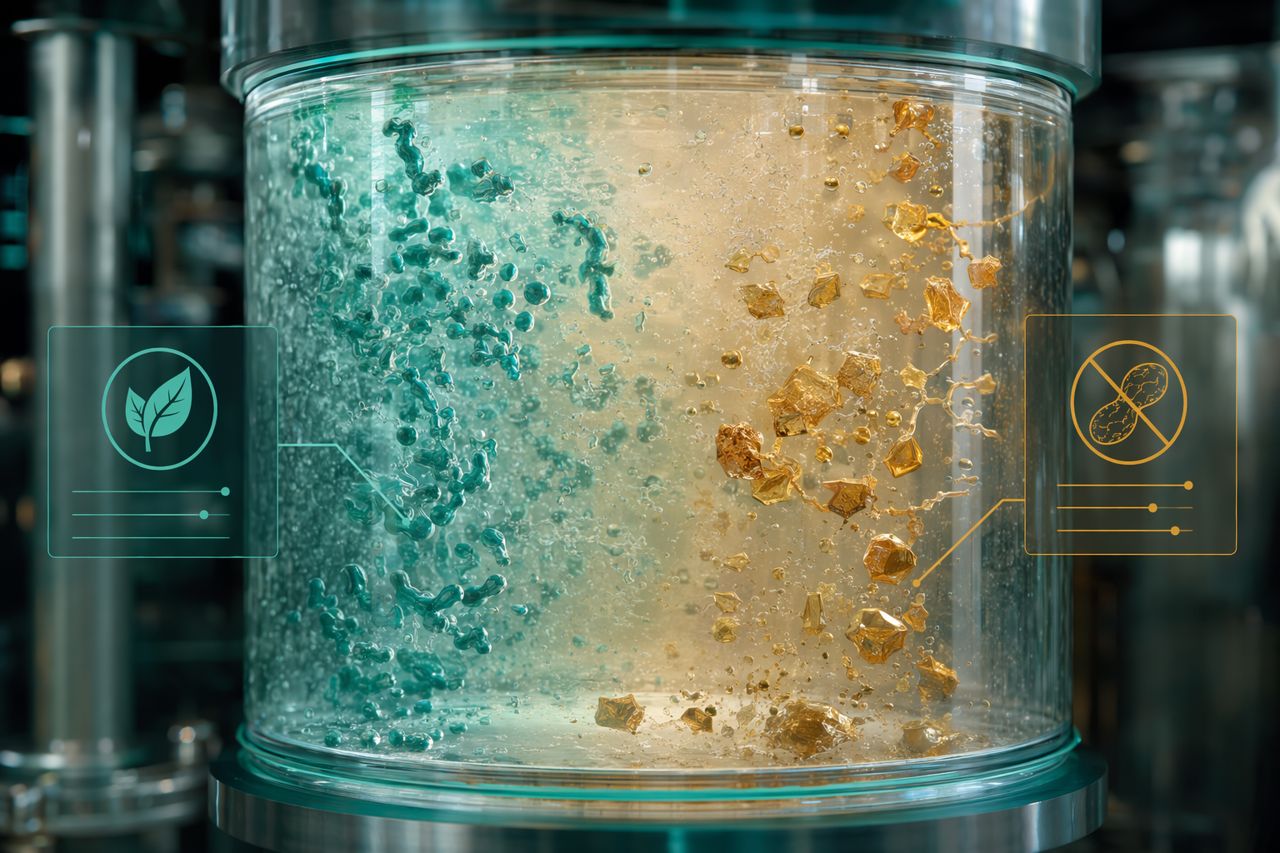
Fermentation media buyers are asking more precise questions than they did a few years ago. Food biotech, microbial fermentation, and life-science customers want nutrient inputs that support strong process performance while fitting tighter expectations around origin, label language, allergen risk, and supply documentation.
For a fermentation ingredient manufacturer, this creates a practical challenge: media components must remain commercially scalable, technically consistent, and specification-ready. Enzyme processing can help when it is designed around substrate fit, controlled hydrolysis, and documentation needs from the start.
Enzymegen works as an enzyme supplier for fermentation media production, supporting manufacturers, ingredient distributors and biotech companies that convert plant, yeast, grain, pulse, and other non-animal substrates into nutrient-rich ingredients for fermentation use.
Why specification pressure is increasing
Media ingredients now sit at the intersection of process economics, procurement risk, and customer-facing claims. Buyers may be developing products for precision fermentation, biomass fermentation, starter cultures, probiotics, enzymes, organic acids, amino acids, or specialty metabolites. Each application can carry different expectations for ingredient origin and risk control.
Common buyer requests include:
- Animal-free or non-animal-origin statements
- Allergen-aware substrate declarations
- Clean label positioning for food and food-adjacent applications
- Consistent nitrogen, peptide, carbohydrate, and mineral contribution
- Lot traceability and change control communication
- Support for regulatory and customer documentation packages
- Reliable performance during scale-up from development to production
The commercial issue is not only whether an ingredient can be made. It is whether it can be made repeatedly, documented clearly, and supplied without forcing the customer to redesign their fermentation process every time a raw material shifts.
Animal-free requirements are about more than ingredient selection
Animal-free media strategies often begin with substrate choice. Plant proteins, yeast-derived materials, grain fractions, legumes, and other non-animal sources can provide carbon, nitrogen, peptides, vitamins, and growth-supporting components.
But animal-free positioning also depends on how the ingredient is processed. Manufacturers may need to evaluate:
- Enzyme origin and production controls
- Processing aids used during manufacture
- Segregation and cleaning practices
- Supplier declarations for animal-origin materials
- Traceability across enzyme and substrate inputs
- Alignment between internal specifications and customer statements
An enzyme program should be selected with these requirements in mind. If the hydrolysis system creates the right peptide profile but leaves documentation gaps, the ingredient may still face friction during customer qualification.
Allergen-aware does not always mean allergen-free
Allergen management requires careful language. Many fermentation media ingredients are derived from substrates that may be allergenic or handled in facilities where allergens are present. In B2B supply, buyers typically need clear declarations and risk controls rather than vague claims.
For ingredient manufacturers, this means knowing the substrate, the facility controls, and the downstream customer’s tolerance for allergen presence, labeling, or segregation. Enzyme selection can support allergen-aware strategies by enabling alternative substrate use or by improving functionality from substrates that better match a customer’s policy.
For example, a manufacturer may explore enzyme-assisted hydrolysis of pea, rice, corn, potato, yeast, or other non-animal materials as alternatives to conventional protein sources. The right approach depends on nutrient target, sensory constraints if relevant, solubility, filtration behavior, and fermentation response.
Clean label expectations must still meet fermentation performance
Clean label pressure often pushes manufacturers toward simpler ingredient declarations, recognizable substrates, and fewer processing concerns. However, fermentation media ingredients must first perform in the fermenter.
Clean label development should not compromise:
- Growth kinetics
- Titer consistency
- Yield and productivity
- Feed compatibility
- Sterilization behavior
- Solubility and handling
- Downstream clarification
- Batch-to-batch repeatability
This is where controlled enzymatic conversion is useful. Proteases, carbohydrases, and other process enzymes can convert complex substrates into more available nutrient fractions without relying on overly harsh processing routes. The objective is not maximum breakdown. The objective is the right hydrolysis profile for the organism, product pathway, process time, and manufacturing economics.
Substrate fit determines media value
A media ingredient is only as good as its fit to the fermentation system. The same hydrolysate can behave differently across bacteria, yeast, fungi, and specialized production strains. A strong substrate-enzyme pairing should consider both manufacturing behavior and end-use fermentation response.
Key substrate questions include:
- What nutrient contribution is needed: nitrogen, peptides, amino acids, carbohydrates, minerals, or growth factors?
- Does the substrate bring unwanted color, flavor, ash, insoluble material, or variability?
- How does seasonal or regional raw material variation affect hydrolysis outcome?
- Can the ingredient support fed-batch, batch, or seed train use?
- Does the final profile align with customer documentation and label requirements?
Enzymegen helps manufacturers evaluate enzyme options against these practical constraints rather than treating hydrolysis as a generic step.
Hydrolysis control is a commercial requirement
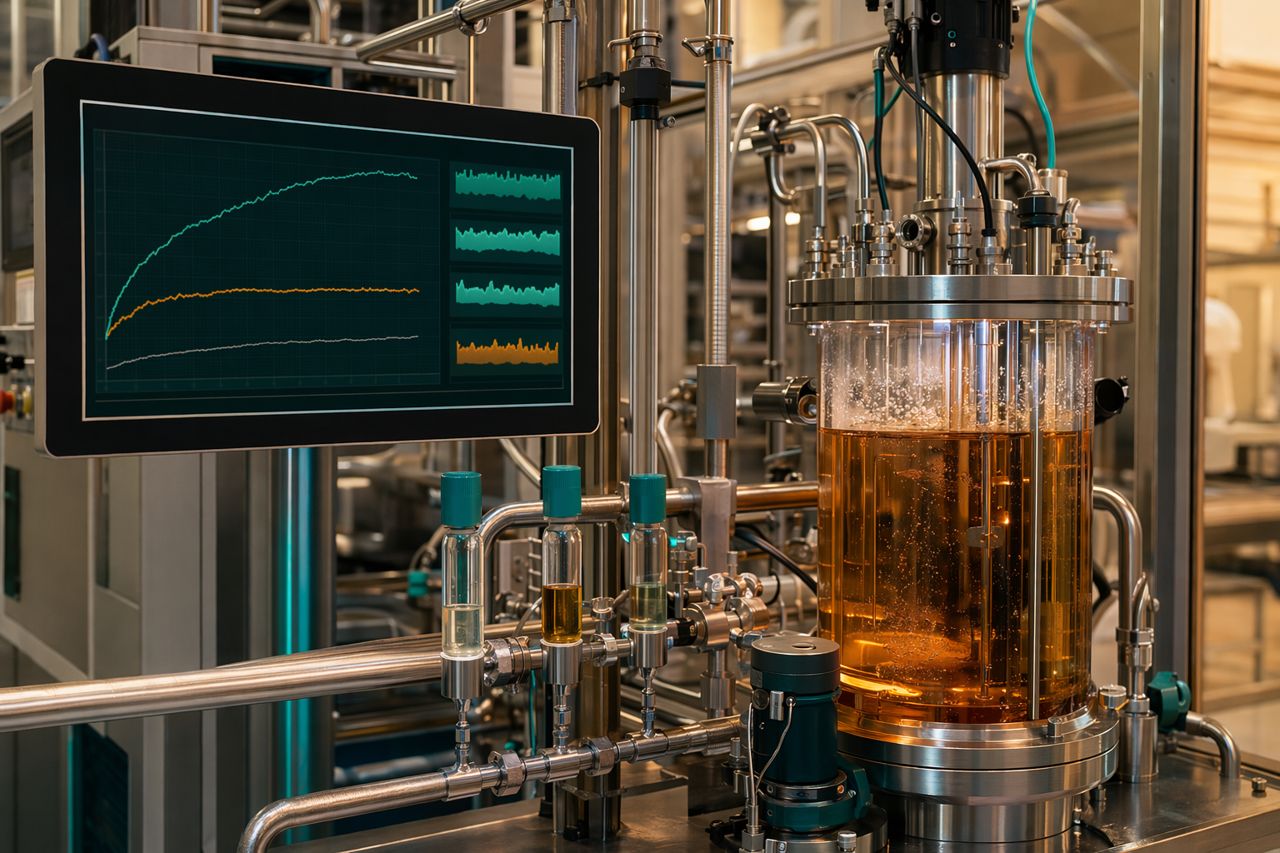
In fermentation media ingredient supply, hydrolysis control directly affects customer confidence. Over-hydrolysis can shift peptide distribution, increase soluble load in ways that change sterilization behavior, or create profiles that do not match the customer’s established process. Under-hydrolysis can leave nutrients unavailable or reduce consistency.
A controlled enzyme process supports:
- Repeatable nutrient release
- Predictable viscosity and solids handling
- Better solubility and dispersion
- More consistent fermentation response
- Clearer product specifications
- Reduced rework during customer qualification
The process development goal is to define a practical operating window that can be maintained in production, not just a promising bench result.
Documentation now influences supplier selection
Technical performance gets an ingredient into evaluation. Documentation helps it move through qualification.
Fermentation ingredient buyers may request:
- Product specification sheets
- Ingredient origin statements
- Animal-origin and allergen declarations
- GMO or non-GMO status where applicable
- Manufacturing flow summaries
- Change control expectations
- Traceability and lot documentation
- Food, feed, or industrial-use alignment depending on the application
As an enzyme supplier for fermentation media production, Enzymegen supports discussions that connect enzyme selection, processing conditions, and documentation expectations. The goal is to reduce avoidable delays when a customer’s quality, regulatory, procurement, and process teams review the ingredient.
Scale-up should be built into the enzyme decision
A hydrolysis route that works in development must still function at plant scale. Mixing, heat transfer, substrate variability, hold time, solids content, and downstream separation can all change the outcome.
Manufacturers should assess enzyme programs for:
- Compatibility with existing tanks and thermal steps
- Practical dosing and addition strategy
- Process robustness under normal production variation
- Impact on filtration, centrifugation, drying, or concentration
- Lot consistency under commercial raw material conditions
- Supply security and lead time expectations
Enzymegen’s role is to help identify enzyme solutions that support real production constraints, not only laboratory feasibility.
Practical development pathway
A structured program can reduce risk and speed customer qualification.
1. Define the customer requirement
Start with the intended media use, organism type, target nutrient contribution, animal-free position, allergen expectations, and documentation package.
2. Match substrate and enzyme system
Select candidate substrates and enzyme approaches based on nutrient targets, process compatibility, solubility, and commercial availability.
3. Control the hydrolysis profile
Develop a production-relevant process window that delivers consistent conversion and handling characteristics.
4. Test fermentation relevance
Evaluate media ingredient performance against measurable process outcomes such as growth profile, titer, yield, feed response, and batch repeatability.
5. Prepare the supply package
Align specifications, declarations, lot documentation, and change control expectations before broad customer sampling.
What buyers value from a fermentation media ingredient supplier
Customers evaluating clean label, animal-free, or allergen-aware media inputs are looking for more than a material sample. They want confidence that the ingredient can be qualified, scaled, and supplied consistently.
Strong supplier value includes:
- Clear substrate origin and processing logic
- Enzyme-enabled control over nutrient release
- Technical support during application testing
- Documentation that matches buyer review workflows
- Practical scale-up support
- Commercially realistic supply planning
This is the standard Enzymegen designs around: technical clarity, process relevance, and supply confidence for fermentation ingredient manufacturers.
Request a quote
If you are developing or scaling a clean label, animal-free, or allergen-aware media ingredient, Enzymegen can help review substrate fit, enzyme selection, hydrolysis control, and documentation needs.
Use the on-site request a quote form to share your substrate, target media function, production scale, and customer requirements. We will respond with a practical enzyme supply recommendation and next-step development support.
For a faster quote, include: the enzyme or process step, the quantity per order or per month, and the delivery country. Supply is for business buyers and is quoted per order.