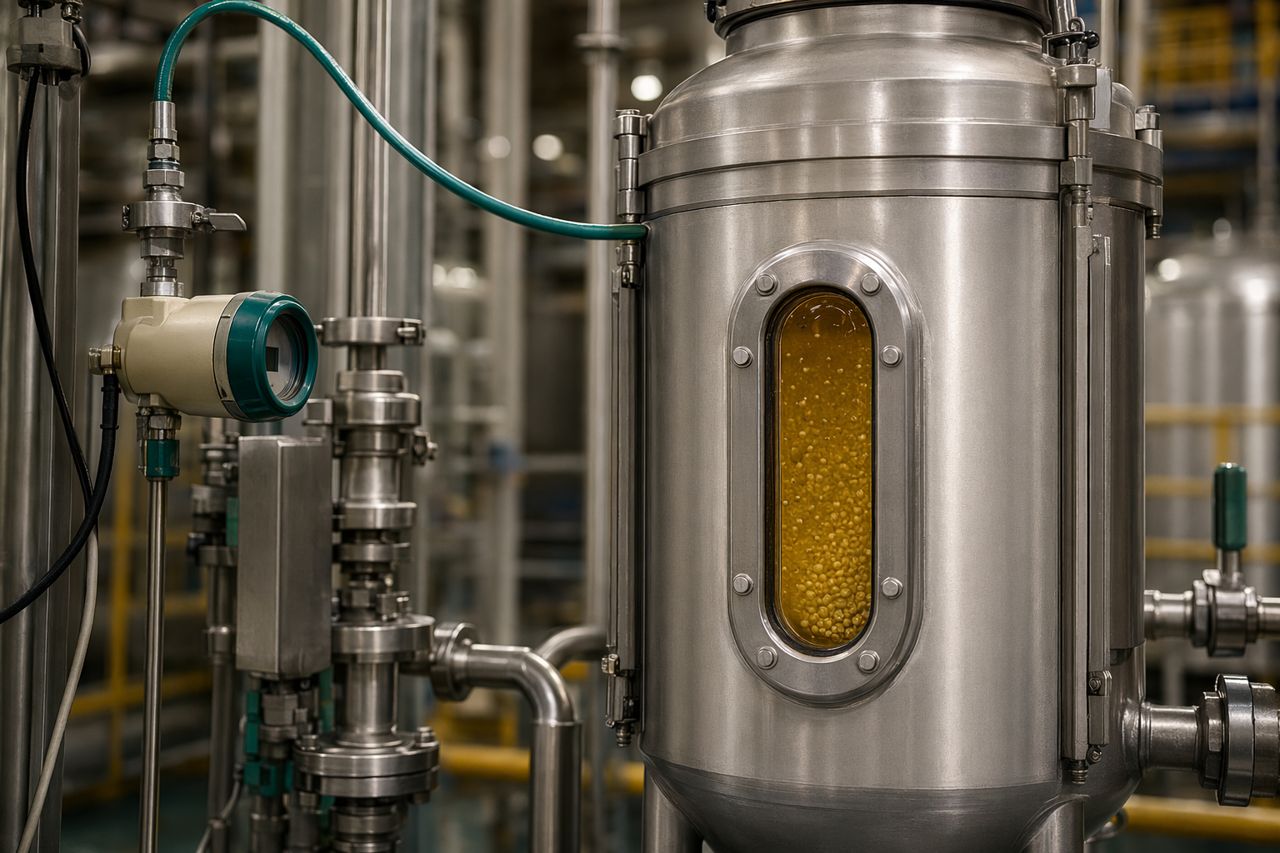
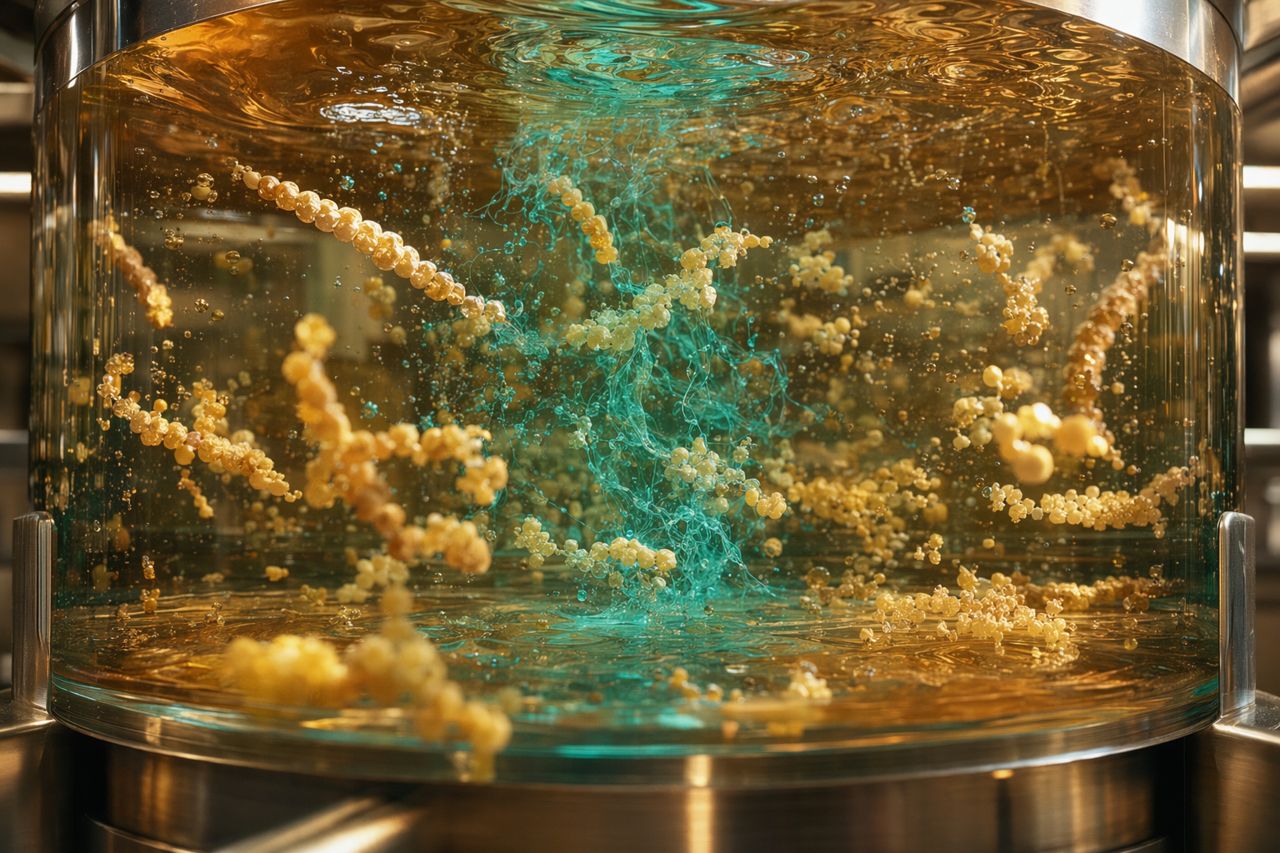
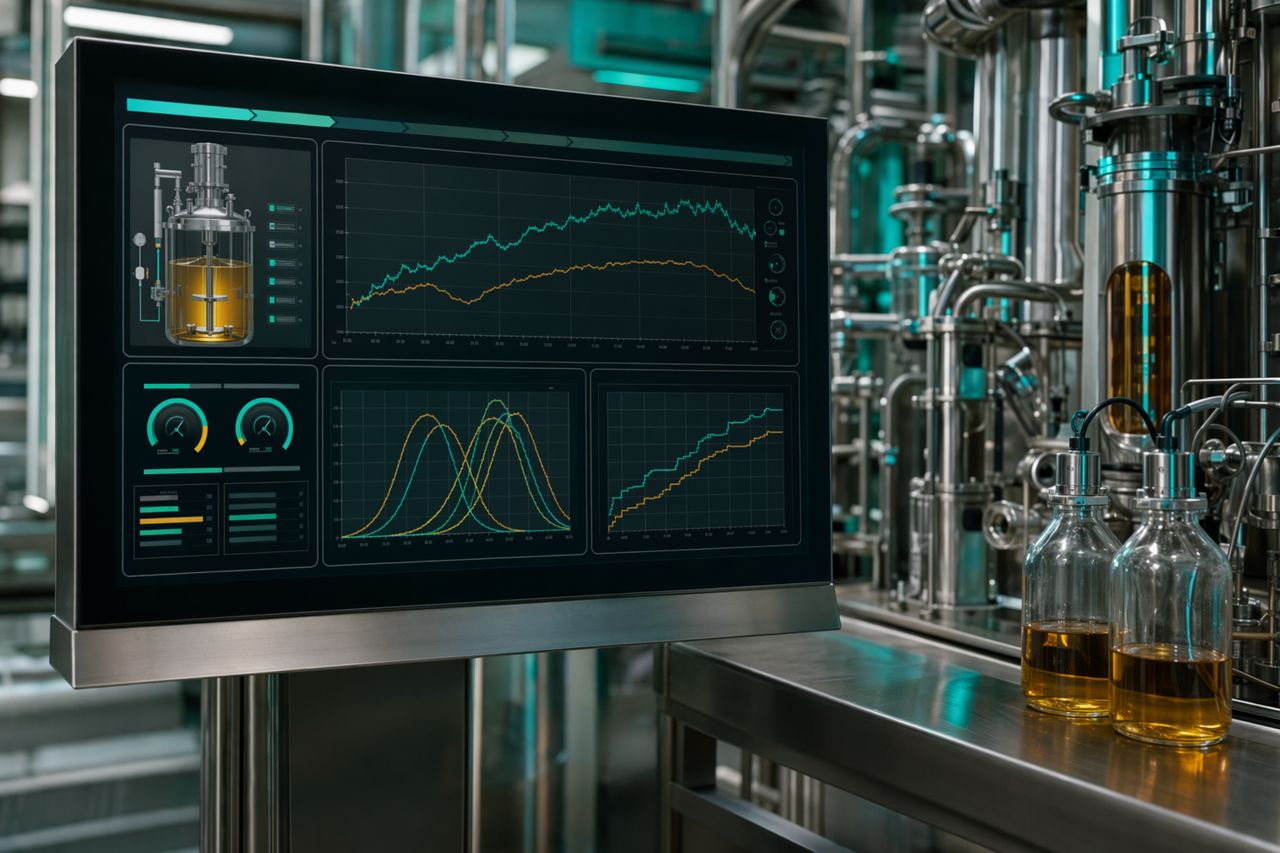
Amylase for Fermentation Ingredient Plants Using Starch-Bearing Inputs
Starch-bearing inputs can be valuable fermentation media components, but only when they are converted with control. Grain fractions, cereal flours, bakery side streams, and mixed biomass inputs vary in starch accessibility, viscosity, solids behavior, and impurity profile. That variability can show up later as inconsistent media preparation, feed handling issues, delayed uptake, or batch-to-batch titer movement.
Enzymegen supplies amylase solutions for manufacturers converting starch-rich materials into fermentable or supportive media ingredients. We work with process development, production, and procurement teams that need more than an enzyme line item. They need substrate fit, predictable hydrolysis behavior, documentation, practical scale-up support, and supply quoted for production volumes.
Enzymegen is an enzyme supplier for fermentation media production focused on commercially workable conversion, not generic catalog matching.
Where Amylase Fits in Fermentation Ingredient Manufacturing
Amylase is used to reduce starch complexity and help transform starch-bearing materials into soluble carbohydrate streams, media bases, or feed components that fermentation organisms can use more consistently.
For ingredient manufacturers, the target is usually not maximum breakdown at any cost. The target is a defined carbohydrate profile, manageable viscosity, reliable filtration or separation behavior, and a media ingredient that performs consistently in downstream fermentation.
Typical production contexts include:
- Grain and cereal hydrolysate manufacturing
- Flour-based media ingredient production
- Starch-rich byproduct conversion
- Plant-based fermentation nutrient streams
- Carbohydrate feed preparation for microbial fermentation
- Mixed biomass processing where starch is one of several nutrient fractions
Built Around Substrate Fit
Different starch-bearing inputs do not hydrolyze the same way. Particle size, prior heat treatment, damaged starch level, fiber content, fat content, protein interaction, and mineral profile can all affect conversion behavior.
Enzymegen helps evaluate amylase fit against the input and the commercial process, including:
- Raw material type and seasonal variability
- Slurry solids and mixing limitations
- Gelatinization or pre-treatment conditions
- Desired soluble carbohydrate profile
- Process temperature and pH window
- Residence time and hold strategy
- Downstream clarification, evaporation, drying, or blending requirements
The result is a practical enzyme recommendation tied to the way the plant actually runs.
Hydrolysis Control Without Overcomplicating the Line
For fermentation ingredient plants, hydrolysis control is about repeatability. Too little conversion can leave high viscosity, poor solubility, or inconsistent media availability. Too much or poorly controlled conversion can shift carbohydrate distribution, create handling issues, or move the ingredient outside the specification expected by downstream fermentation customers.
Enzymegen supports process teams in defining operating boundaries for:
- Liquefaction behavior and viscosity reduction
- Saccharification direction and fermentable sugar availability
- Hold-time control
- Enzyme addition points
- Heat exposure and inactivation strategy
- Compatibility with existing tanks, dosing systems, and transfer steps
We do not push unnecessary complexity. The goal is a controlled conversion profile that fits the plant’s equipment and the customer’s media-performance target.
Media Consistency That Supports Fermentation Performance
Fermentation customers care about more than ingredient composition on paper. They care about how the media behaves in a live process: uptake pattern, feed stability, osmotic load, contamination risk management, and contribution to titer or productivity.
A well-selected amylase program can help ingredient manufacturers improve:
- Batch-to-batch carbohydrate consistency
- Slurry pumpability and transfer reliability
- Soluble nutrient availability
- Reduced variation in media preparation
- More predictable fermentation response at the customer site
- Cleaner specification control for commercial supply agreements
Enzymegen frames enzyme selection around measurable process outcomes such as viscosity trend, soluble solids behavior, carbohydrate profile, filtration response, and downstream fermentation performance indicators.
Support for Scale-Up and Plant Integration
A bench result is useful only if it translates to plant reality. Enzymegen supports scale-up with attention to mixing, heat transfer, dosing accuracy, hold time, and raw material variation.
Our technical discussions can cover:
- Process mapping from raw input to finished ingredient
- Pilot-to-production conversion risk
- Addition sequence and dilution strategy
- Compatibility with CIP and sanitation expectations
- Production documentation for internal review
- Change-control support when replacing or qualifying an enzyme
- Ongoing troubleshooting for raw material or performance shifts
This helps process development managers move from trial data to controlled production with fewer surprises.
Documentation for B2B Qualification
Commercial fermentation ingredient supply requires documentation that procurement, quality, regulatory, and technical teams can review. Enzymegen provides qualification support appropriate to the project stage and application.
Available support may include:
- Product specification documentation
- Safety and handling information
- Lot and supply traceability support
- Application guidance for process trials
- Technical consultation for plant qualification
- Documentation packages for approved supplier review
If your customer requires specific documentation for media ingredient approval, Enzymegen can align the quote process around those requirements from the start.
Common Buyer Situations We Support
Replacing an Enzyme That Is Not Holding Consistency
If current hydrolysis performance shifts with raw material changes, Enzymegen can help review substrate conditions, operating windows, and performance targets before recommending a replacement or adjustment path.
Developing a New Fermentation Media Ingredient
For new grain, cereal, flour, or biomass-derived ingredients, we help define the amylase role early: viscosity reduction, carbohydrate release, solubility improvement, or feed profile development.
Scaling From Pilot to Commercial Production
Scale-up changes mixing, thermal exposure, transfer timing, and dosing control. Enzymegen supports practical conversion planning so pilot assumptions are not carried into the plant unchecked.
Supplying Fermentation Customers With Tighter Specifications
When customers ask for narrower ingredient variation or clearer performance links, Enzymegen can help connect enzyme processing parameters to finished-media consistency.
What We Need to Quote Accurately
To recommend the right amylase solution and prepare a commercial quote, share as much of the following as possible:
- Input material type and approximate composition
- Current or planned process flow
- Slurry solids range
- Temperature and pH conditions
- Desired conversion outcome
- Downstream processing steps
- Finished ingredient format
- Annual or batch volume estimate
- Current pain points or performance targets
- Documentation requirements for supplier approval
If some information is not yet defined, that is acceptable. Enzymegen can help structure the technical discussion before the quote is finalized.
Request a Quote
If your plant produces fermentation media ingredients from starch-bearing grain, cereal, flour, or mixed biomass streams, Enzymegen can help assess the amylase fit and prepare a commercially grounded quote.
Use the on-site request form and include your substrate, process conditions, desired outcome, the quantity per order or per month, and the delivery country. Supply is for manufacturers, distributors and biotech buyers, and pricing is quoted per order. A Enzymegen technical contact will review the details and respond with the next practical step.
Request a quote through the form below.